Top Reasons to Fall in Love With Jamaican Food
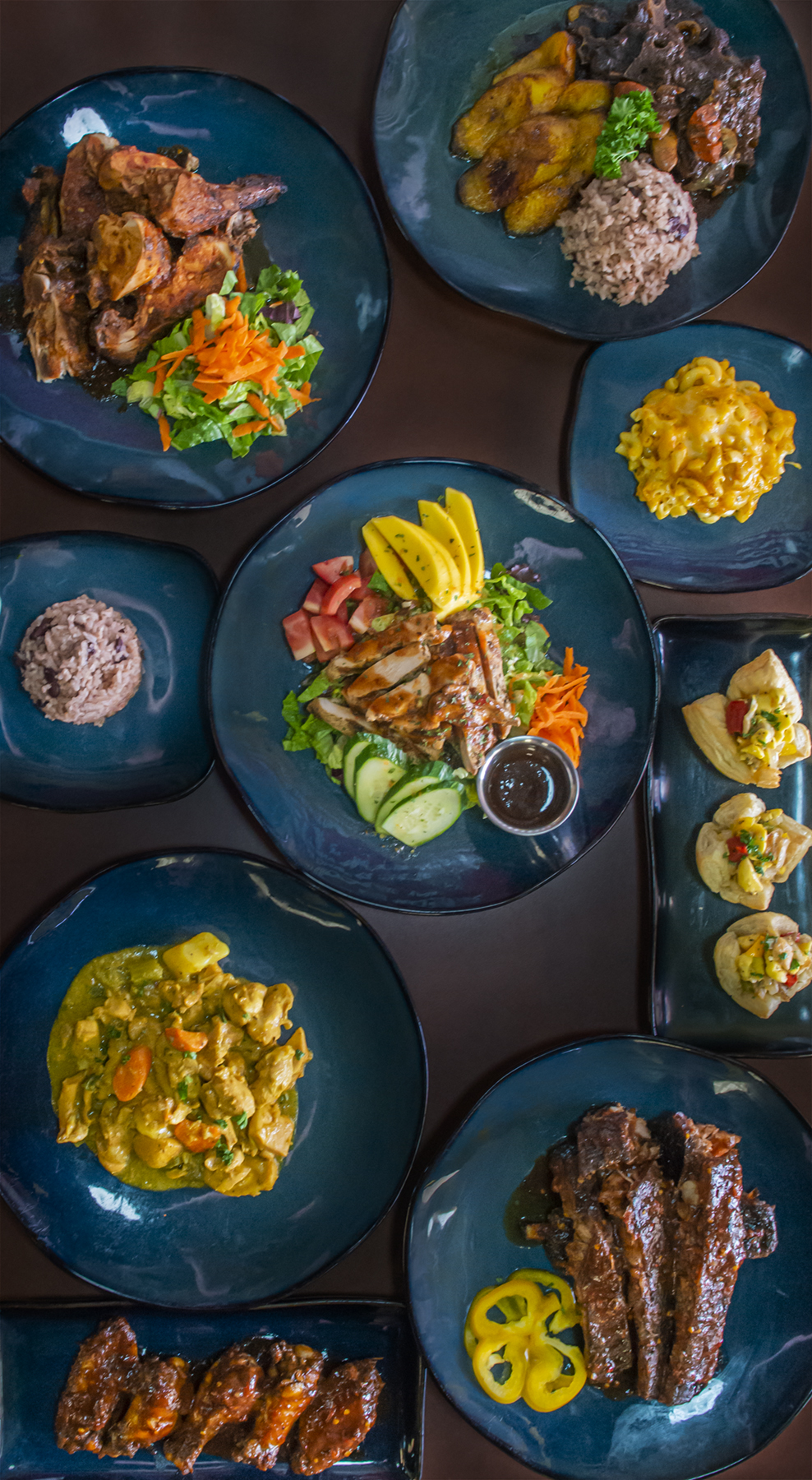
There are cuisines you enjoy once, and there are cuisines that stay with you. Jamaican food belongs firmly in the second group. It lingers in memory because it speaks in vivid flavors, because it carries history without feeling heavy, and because it knows how to satisfy both appetite and curiosity. A single https://remingtondvkh314.almoheet-travel.com/the-top-ingredients-that-define-jamaican-food plate can be fiery, smoky, sweet, earthy, and comforting at the same time. That kind of range is rare.
What often surprises first-time diners is how complete the experience feels. Jamaican food is not built around one note. It is not only spice, though heat matters. It is not only grilled meat, though the island has mastered fire and smoke. It is not only comfort cooking, though few cuisines deliver soul-deep comfort quite so effortlessly. What makes people fall for it is the balance. Every bite seems to know where it is going.
Spend any time around a good Jamaican kitchen, whether it is a family backyard, a roadside cookshop, or a respected restaurant, and you notice the confidence of the food. The seasoning is assertive. The portions are generous. The recipes are rooted in memory, but they are also practical, built from ingredients that had to nourish people well. That combination of pleasure and purpose gives the cuisine its staying power.
Flavor that refuses to be polite
The first reason people fall in love with Jamaican food is simple. It tastes alive.
Jamaican cooking relies on ingredients with personality. Scotch bonnet peppers bring heat, but not the flat, punishing kind that wipes out everything else. They carry a fruity brightness that cuts through richness and lifts stews, sauces, and marinades. Allspice, often called pimento in Jamaica, adds warmth that feels both sweet and savory. Thyme, scallion, ginger, garlic, onion, and black pepper form a backbone that is instantly recognizable once you know it. Together, they create layers instead of noise.
Jerk is the best-known example, and for good reason. Proper jerk is not just "spicy grilled chicken." At its best, it is a full system of flavor. The marinade goes deep with pimento, Scotch bonnet, scallion, thyme, and aromatics. The cooking process matters just as much as the seasoning. Smoke from pimento wood, or a close alternative when that is not available, gives the meat its haunting depth. The edges char, the fat renders, the spice blooms, and the result tastes ancient and modern at once.
What impresses seasoned cooks is how controlled all this is. Jamaican food can be bold without becoming clumsy. A curry goat that has simmered for hours does not need to shout. It wins with depth. A plate of escovitch fish balances crisp skin, tangy vinegar dressing, onions, carrots, and peppers so skillfully that the sharpness feels refreshing rather than aggressive. Even a humble patty, eaten on the move, can deliver flaky pastry, savory filling, and enough heat to keep things interesting.
That precision is one of the cuisine's great pleasures. It understands intensity, but it also respects restraint.
The island's history is on the plate
To appreciate Jamaican food fully, it helps to understand that it was shaped by movement, survival, adaptation, and exchange. African, Indigenous, European, Indian, and Chinese influences all left their mark. You can taste that layered history in everyday dishes.
Ackee and saltfish, now celebrated as Jamaica's national dish, tells a story of trade, migration, and local identity. Ackee itself, originally from West Africa, found a home in Jamaica so complete that many people assume it was always native to the island's table. Paired with salted cod, a preserved ingredient linked to colonial trade routes, it becomes something distinctly Jamaican. Cooked with onions, tomatoes, scallions, thyme, and often peppers, it is rich, savory, and unexpectedly delicate.
Then there is curry goat, a perfect example of adaptation. Curry came to Jamaica through Indian indentured laborers in the nineteenth century, but the dish evolved in a local direction. Jamaican curry powder tends to lean earthier and often includes a generous hand with turmeric, allspice, and other warming spices. The final dish is not a copy of Indian curry. It is a Jamaican answer to the idea of curry, shaped by local taste, local ingredients, and local technique.
This is one of the most compelling things about Jamaican food. It does not hide its influences, yet it never feels derivative. The cuisine absorbed outside ideas and transformed them with confidence. That makes eating it feel like participating in a cultural conversation that has been going on for generations.
Comfort food with backbone
Some cuisines impress through delicacy. Jamaican food often wins through generosity. It knows how to feed people who have worked hard, who need a meal to hold them for hours, and who still expect pleasure from every bite.
Rice and peas, for instance, is much more than a side dish. Made with rice, kidney beans or gungo peas depending on the occasion, coconut milk, thyme, scallion, and spices, it brings fragrance and richness that many plain rice dishes never approach. Served alongside jerk chicken, oxtail, stew chicken, or fish, it anchors the plate and soaks up sauce beautifully.
Oxtail is another dish that explains the cuisine's emotional pull. Properly cooked, it takes time. There is no shortcut around that. The meat must braise until tender, the sauce must reduce and deepen, and the seasoning must settle into every corner. When it is done right, you get sticky richness, soft butter beans, dark gravy, and meat that yields easily without falling apart into mush. It is luxurious in flavor, but born from thrift and skill. That kind of dish earns devotion.
Even soups carry serious weight. Jamaican soups are not the thin starters some diners expect. Chicken foot soup, mannish water, red peas soup, and pumpkin soup are closer to meals. They are often thick, sustaining, and filled with dumplings, root vegetables, and meat. They nourish in the old-fashioned sense of the word.
The emotional force of Jamaican food often comes from this exact place. It comforts without becoming bland. It fills you up without switching off your palate.
It treats humble ingredients with respect
One mark of a mature cuisine is what it does with ordinary ingredients. Jamaican food excels here. It turns staples into something memorable, often through seasoning, technique, and patience rather than expensive products.
Green bananas, yam, cassava, callaloo, breadfruit, plantain, and pumpkin are not garnish on the side of the plate. They are central players. Fried ripe plantain adds sweetness and soft texture that can soften the edges of a spicy main. Roasted breadfruit, especially alongside ackee and saltfish or smoked fish, has a starchy, nutty character that feels almost like a bridge between potato and fresh-baked bread. Boiled green banana with dumplings and saltfish can make a deeply satisfying breakfast or lunch, especially when you want a meal that sticks with you.
Callaloo deserves special mention. Depending on the cook, it can be sautéed down with onion, garlic, thyme, tomato, and pepper into something silky and savory, or folded into larger meals where its mineral depth rounds out richer ingredients. It proves that Jamaican cooking understands vegetables not as obligation, but as flavor.
This practical creativity is one reason the cuisine travels so well. Even when cooks abroad cannot source every exact ingredient, the spirit of the food remains clear. The goal is never fuss for its own sake. The goal is to draw maximum flavor and nourishment from what is available.
Heat, smoke, sweetness, acid, and starch all know their role
A lot of cuisines talk about balance. Jamaican food demonstrates it in a way you can taste instantly.
Think about a classic jerk plate with festival, fried plantain, and maybe a little slaw or pickled vegetable on the side. The jerk brings smoke, spice, and savory depth. Festival, that lightly sweet fried dough, softens the heat and gives you contrast in texture. Plantain contributes caramelized sweetness. If there is a fresh, acidic component on the plate, it resets the palate and prepares you for the next bite. Nothing is random.
The same principle shows up in escovitch fish. The fish is crisp and savory. The vinegar dressing is sharp and bright. The vegetables retain enough bite to keep the dish energetic. Eaten with bammy, made from cassava, or with festivals, the plate feels complete because each piece compensates for and enhances the others.
This balance is one reason Jamaican food appeals to a wide range of eaters. People who love spice find plenty to enjoy. People who care more about depth than sheer heat also have much to admire. If a dish is fiery, there is usually something nearby to steady it. If a dish is rich, something fresh or tangy often cuts through.
For cooks, that is a sign of a cuisine that understands appetite. For diners, it is the reason one bite leads so easily to another.
Street food and everyday cooking are as persuasive as restaurant meals
Some cuisines shine brightest when plated carefully in a dining room. Jamaican food has no trouble there, but its everyday forms are often just as persuasive.
A beef patty is one of the great hand-held foods anywhere. The shell should be flaky, lightly crisp, and deeply golden, often with turmeric lending color and subtle earthiness. The filling, whether beef, chicken, vegetable, or saltfish, should be moist and strongly seasoned. The best patties are balanced enough to eat quickly, but flavorful enough to remember hours later. In many places, a patty tucked into coco bread is not just a snack. It is a practical lunch, affordable and satisfying.
Then there are the roadside jerk pans, where the aroma alone can stop traffic. The visual rhythm matters here: split drums, smoke rising, meat stacked and chopped to order, sauce brushed or spooned with practiced speed. Even before you eat, you understand something essential about Jamaican food. It is social. It invites gathering. People argue about where the best jerk lives, which cook gets the balance right, who over-smokes, who goes too sweet on the sauce. A cuisine earns love partly by making people care enough to debate it.
Home cooking may be even more convincing. Brown stew chicken, for example, does not always get the publicity of jerk or curry, but it belongs among the great weeknight dishes of the Caribbean. Browning sauce gives color and subtle bittersweet depth, while tomato, onion, thyme, scallion, and pepper create a gravy that begs for rice. It is the sort of meal that teaches you a cuisine from the inside rather than the headline.
Breakfast alone could convert a skeptic
If someone thinks Jamaican food starts and ends with jerk chicken, breakfast can change their mind fast.
Ackee and saltfish is the obvious ambassador, but the broader breakfast table says even more. Salt mackerel with boiled green bananas and dumplings, callaloo paired with plantain, porridge made from cornmeal, peanut, or plantain, and fried dumplings served alongside savory dishes all reveal a cuisine that takes the first meal of the day seriously.
What stands out is the combination of substance and flavor. These breakfasts are not designed to disappear an hour later. They are built for work, school, travel, and long mornings. Yet they never feel purely functional. The thyme is there. The scallion is there. The pepper is there if you want it. The food comforts, but it also wakes up the palate.
For people used to sweeter, lighter breakfasts, this can be a revelation. It broadens the idea of what morning food can be.
The desserts and drinks know when to be subtle and when to be lush
Jamaican food is often discussed through savory dishes, but sweets and drinks complete the picture. They show another side of the cuisine, one that values spice, fruit, and richness in different proportions.
Rum cake, often called black cake in holiday contexts, is dense, fragrant, and deeply flavored, especially when dried fruits have been soaked properly. Gizzada, with its coconut filling and pinched pastry shell, offers texture and sweetness without excess. Toto, a rustic coconut cake, can be humble-looking and still disappear quickly from a table.
Jamaican beverages deserve equal respect. Sorrel, especially around the holidays, brings tartness, spice, and a jewel-like color that makes it feel festive before you even taste it. Ginger beer, when made with conviction, should bite back a little. Irish moss drinks, peanut punch, and stout-based tonics reflect another side of the island's food culture, one concerned with energy, nourishment, and fullness.
These are not afterthoughts. They reflect the same instincts that guide the savory food: assertive flavor, practical pleasure, and an understanding that food should satisfy more than one craving at a time.
Not every dish is for every diner, and that is part of its honesty
A fair appreciation of Jamaican food should include its demands. Some dishes are spicy enough to challenge unprepared diners. Others are hearty enough to feel heavy if you order without thinking about balance. Saltfish can be intensely salty when not handled properly. Oxtail, while beloved, can be rich and expensive, especially outside Jamaica where demand has pushed prices up. Certain traditional dishes also require acquired taste, whether because of texture, offal, or strong seasoning.
That honesty is part of the cuisine's integrity. Jamaican food does not flatten itself to please everyone immediately. It asks for attention. Sometimes it asks for context. A person who tries only one overly sweet restaurant-style jerk sauce or one bland tourist version of rice and peas may miss the point entirely. As with most strong food traditions, where and how you eat matters.
If you are new to it, a thoughtful first order helps. A good starting point often includes a mix of familiar and distinctive flavors:
- Jerk chicken with rice and peas, for a clear sense of the island's signature seasoning.
- Curry goat, if you want depth and tenderness with less direct smoke.
- Escovitch fish, for brightness and contrast.
- Ackee and saltfish, when available, to understand the national dish in its proper setting.
- A patty, because everyday food often reveals a cuisine's instincts best.
These dishes show different sides of Jamaican cooking without reducing it to stereotypes.
The food carries place, even far from the island
One of the strongest reasons people fall in love with Jamaican food is that it carries identity so well. In diaspora communities, the food often acts as archive, meeting place, memory, and introduction all at once. You see this in cities across the United States, Canada, and the United Kingdom, where small takeout counters and family-run restaurants often do as much cultural work as they do culinary work.
A lunch special of stew peas or curry chicken can connect one person to childhood and introduce another to something entirely new. That is powerful. Food that survives migration without losing itself tends to earn deep loyalty.
Even the language around Jamaican food tells you something. People do not just discuss whether a dish was tasty. They talk about whether it had enough gravy, whether the smoke was right, whether the pepper level was honest, whether the festival was too dense, whether the plantain was ripe enough. These are the details of a living cuisine, not a frozen one.
Why the love lasts
Plenty of foods impress on first bite. Fewer continue to matter after the novelty fades. Jamaican food lasts because it offers more than intensity. It offers structure, memory, versatility, and pleasure grounded in real cooking skill.
It can be celebratory, as with black cake at Christmas or a weekend jerk gathering with friends. It can be deeply practical, as with a patty grabbed between errands or a bowl of soup built to sustain. It can feel luxurious in a plate of slow-braised oxtail, and modest in boiled provisions with saltfish. Through all those forms, it remains recognizably itself.
If you fall for Jamaican food, it usually happens for several reasons at once. The spices draw you in. The smoke keeps you interested. The balance wins your respect. The comfort secures your loyalty. Then, somewhere along the way, you realize you are not just craving a dish. You are craving the way this cuisine makes a meal feel complete.
That is a rare quality. It is also why love comes easily here.
Reggae Pot Jamaican Grill
7562 S University Blvd C, Centennial, CO 80122
(303) 997-5623
FAQ About jamaican food
What is the best Jamaican food to try in Centennial?
The best choice depends on your preferences. Reggae Pot Jamaican Grill offers jerk chicken, curry goat, oxtail, and escovitch snapper, along with sides such as rice and peas and fried plantains. Ask the restaurant about current availability and spice levels before ordering.
Is Jamaican food very spicy in Centennial?
Heat varies by dish and preparation. Jerk dishes can be hot, while some stews and sides are milder. Tell the restaurant your preferred heat level and ask which options suit you.
What is typically on a Jamaican menu?
Common choices include jerk chicken, curries, oxtail, fish, patties, rice and peas, and plantains. Reggae Pot also lists ackee and saltfish and vegetable dishes. Menus and availability can change, so confirm your choices when ordering.