The Difference Between Traditional and Modern Jamaican Food
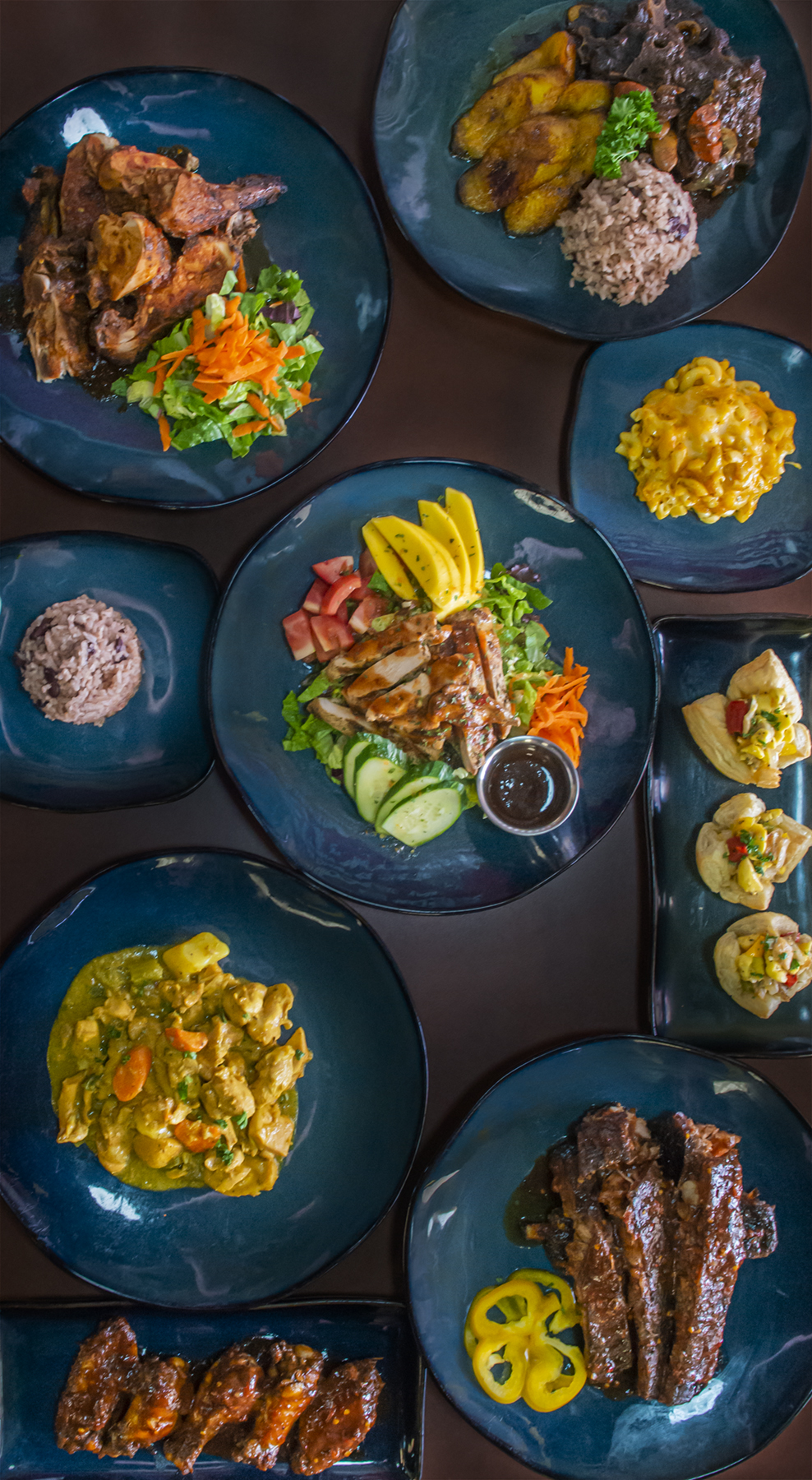
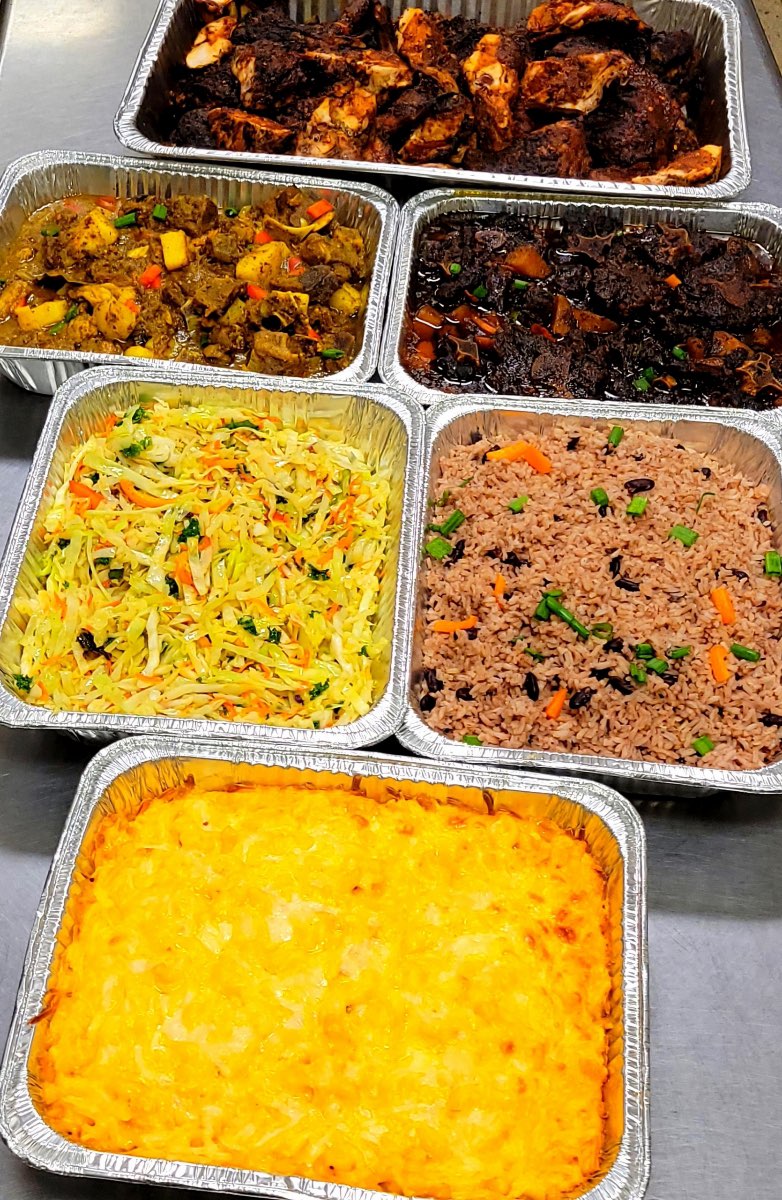
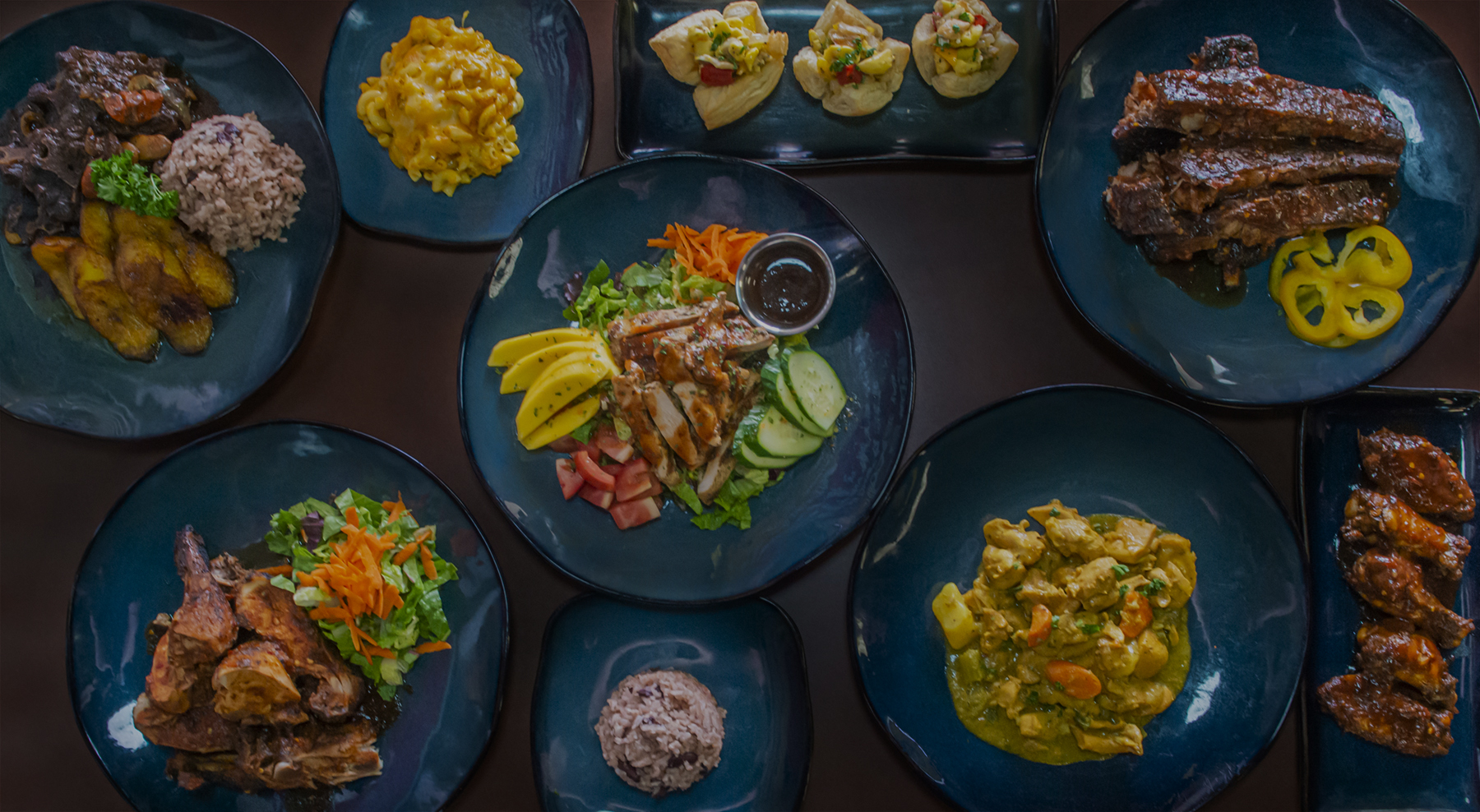
Jamaican food is often discussed as if it were a fixed set of dishes, a tidy collection of jerk chicken, ackee and saltfish, patties, and rice and peas. That version is familiar, but it only tells part of the story. Food in Jamaica has never stood still. It has always absorbed pressure from history, migration, trade, class, agriculture, religion, tourism, and sheer household practicality. What people call traditional Jamaican food was itself formed through adaptation. What people call modern Jamaican food continues that process, only under different conditions.
The difference between traditional and modern Jamaican food is not simply old versus new. It is slower versus faster in some cases, local versus imported in others, and community memory versus market demand in many kitchens. It is the difference between a pot set to simmer for hours and a dish designed for a delivery app. It is also the difference between cooking to nourish a family on what the land and sea can provide, and cooking to satisfy diners who expect novelty, convenience, and visual polish.
Understanding that difference requires looking beyond recipes. It means paying attention to ingredients, technique, setting, and the reasons a dish exists in the first place.
Where traditional Jamaican food comes from
Traditional Jamaican food grew out of necessity long before it became a culinary identity that could be packaged and exported. The island’s cooking reflects Indigenous knowledge, African foodways, European colonial influence, Indian indentureship, Chinese migration, and Middle Eastern trading networks. That mix is often described in broad terms, but the real proof sits in the pot.
A dish like ackee and saltfish tells a whole migration history without saying a word. Ackee came from West Africa. Salt cod arrived through colonial trade and the economics of preserved food. The pairing became something entirely Jamaican because people on the island made it useful, delicious, and repeatable. The same can be said for curry goat, which reflects Indian influence but evolved according to Jamaican tastes, local thyme, Scotch bonnet heat, and the practical realities of goat rearing on the island.
Traditional Jamaican cooking is deeply tied to seasonality and local availability. Breadfruit, yam, green banana, callaloo, coco, pumpkin, gungo peas, cassava, and sorrel are not decorative references to heritage. They are core building blocks. Older styles of cooking depend on knowing when ingredients are best, how to stretch them, and how to combine them so a meal feels complete. A soup made with yellow yam, cho cho, dumplings, carrots, pumpkin, and a bit of salted meat or chicken is not random abundance. It is a system built around satiety, flavor, and thrift.
Technique matters just as much as ingredients. Traditional Jamaican food often relies on methods that reward time and intuition. Browning sugar for stew chicken, soaking salted fish to draw out excess salt, pounding seasonings into a green blend, slow cooking peas until they soften properly before adding coconut milk, letting escovitch pickle settle into itself, or smoking pimento wood under jerk meat, these are practices learned by repetition, not by glancing at a timer.
That is one of the clearest differences between traditional and modern Jamaican food. Traditional cooking tends to be process-driven. Modern cooking is more likely to be outcome-driven. One asks, “Has the pot reached the point where it tastes right?” The other often asks, “Can this be plated, portioned, and served consistently in twelve minutes?”
Traditional food is built around place
If you spend time around cooks who learned from parents or grandparents, one thing becomes obvious very quickly. Traditional Jamaican food is regional, personal, and situational. The same dish can change from parish to parish, from town to countryside, and from one household to the next without anyone believing the dish has lost its identity.
Jerk is a good example. In tourist shorthand, jerk often means a sweet-spicy glaze on grilled chicken. In traditional terms, jerk is a preservation and cooking method with deep Maroon roots. The seasoning is important, but the fire, the smoke, and the handling of the meat matter just as much. Real jerk cooked over pimento wood has a depth that is hard to mimic with bottled sauce and a gas grill. It is not just hotter or smokier. It tastes anchored. You can tell it comes from a landscape and a technique, not just a recipe card.
The same grounded quality appears in ground provisions. In many older meals, yam, boiled banana, dumplings, coco, and breadfruit are not side notes. They are essential. They balance salt, absorb gravy, and provide staying power. In modern restaurant settings, those foods sometimes get reduced to symbolic portions because diners want lighter plates or more protein-forward meals. Nothing is inherently wrong with that, but it shifts the structure of the meal. Traditional Jamaican food usually builds from starch outward. Modern versions often build from protein outward.
Traditional eating patterns also reflect labor. A substantial breakfast of saltfish, callaloo, fried dumplings, and green bananas makes sense if someone is heading out for physically demanding https://hectormhde985.dovetailscope.com/posts/jamaican-food-essentials-for-every-caribbean-food-fan work. Pepper pot soup, mannish water, red peas soup, or cornmeal porridge are not quaint relics. They are functional foods shaped by the rhythm of the day. Modern urban life changes that rhythm. Someone commuting, working in an office, or ordering lunch between meetings is less likely to sit down to a long, hearty morning meal. That alters what gets cooked regularly and what gets reserved for weekends, holidays, or special occasions.
What modern Jamaican food looks like
Modern Jamaican food is not a rejection of tradition. More often, it is a negotiation with time, global influence, and changing expectations. Some of the most interesting modern Jamaican cooking respects the old foundations while shifting the format, the portioning, or the presentation.
In practical terms, modern Jamaican food often shows up in a few distinct ways:
- Traditional dishes streamlined for speed, such as quicker stews, pressure-cooked soups, or jerk prepared with ovens and smokers rather than pits.
- Street food and fast-casual adaptations, including patty chains, boxed lunches, and late-night fusion snacks.
- Restaurant reinterpretations, where classics are refined, deconstructed, or paired with nontraditional ingredients.
- Diaspora cooking, where Jamaican dishes adapt to ingredients available in London, Toronto, New York, or Miami.
- Health-conscious revisions, including less oil, less salt, more vegetables, and alternate cooking methods.
That last category is especially important. Many modern cooks are trying to hold onto the flavor profile of Jamaican food while responding to concerns about hypertension, diabetes, or heavy reliance on processed seasonings. A cook may still make rice and peas, but use less coconut milk or reduce the salted meat. A traditional rundown might get made with more fresh fish and fewer added fats. Frying is still beloved, but air frying and baking have become common substitutions in some households.
The rise of restaurants, food media, and social media has also changed the visual language of Jamaican food. Traditional home-style cooking does not always prioritize neat plating. It prioritizes flavor, fullness, and generosity. Modern dining culture often values contrast, precision, and aesthetics. So you may find callaloo folded into a tartlet, oxtail served over creamy polenta, or plantain chips used as garnish rather than humble accompaniment. These dishes may taste wonderful, but they belong to a different culinary conversation.
Ingredients tell the story fastest
One of the quickest ways to spot the difference between traditional and modern Jamaican food is to look at the pantry.
Traditional kitchens lean heavily on staples that have long been central to the island’s food culture: scallion, thyme, Scotch bonnet, pimento, ginger, garlic, onion, coconut, saltfish, yam, cassava, breadfruit, peas, green banana, and fresh local produce when available. Meat cuts are often chosen not because they are fashionable, but because they are flavorful and affordable. Oxtail, goat, salted pig tail, chicken back, neck, and foot all fit comfortably into traditional cooking because they bring body and depth to a dish.
Modern Jamaican kitchens often include all of those ingredients, but they also reveal the realities of globalization. Imported cheeses, heavy cream, wheat-based wraps, store-bought sauces, boneless chicken breast, quinoa, pasta variations, and commercially blended seasonings have become common. In the diaspora especially, substitutions are routine. If the right yam is unavailable, someone may use another root vegetable. If callaloo is hard to source, spinach steps in. If pimento wood is impossible to find, cooks reach for allspice and smoke flavor through other means.
There is a trade-off here. Modern ingredient flexibility keeps Jamaican food alive across borders, but it can flatten some of the distinctions that make a dish taste truly Jamaican. A spinach version of callaloo may be satisfying, but it behaves differently in the pan. A boneless, skinless chicken breast will never carry jerk seasoning the way a bone-in leg quarter does. That does not make the substitute illegitimate. It simply changes the result.
Processed seasonings are another dividing line. Traditional cooks often build flavor from scratch and balance it by tasting constantly. Modern cooking, especially in busy households, may lean on bouillon cubes, bottled jerk marinades, browning sauces, and spice pastes. These products save time and can produce solid results, but they can also push dishes toward uniformity. One reason food cooked by older relatives often tastes so distinct is that they season according to memory and instinct, not according to the back label on a jar.
The role of fire, smoke, and patience
Traditional Jamaican food asks more of the cook. That is not nostalgia speaking, just practical observation. Proper jerk, rich brown stew, old-fashioned soups, and many country-style dishes rely on patient heat management. Fire is not just a source of temperature. It is a flavoring agent.
Anyone who has tasted jerk from a roadside pan in Jamaica knows the difference between smoke that penetrates the meat and sauce that sits on the surface. The aroma of pimento wood and charcoal does work that bottled jerk sauce cannot. The same principle applies to roasting breadfruit over open flame, cooking fish in foil over coals, or letting a pot of soup concentrate slowly. Heat transforms ingredients, but slow heat often transforms them more completely.
Modern Jamaican food tends to adapt these methods to contemporary life. Ovens replace coal stoves. Electric pressure cookers replace long simmers. Pellet smokers and commercial grills stand in for traditional jerk pans. From a business standpoint, these are sensible choices. Restaurants need consistency, speed, and compliance with health regulations. Home cooks need something achievable after work. But some flavors become cleaner, tidier, and less rugged in the process.
That ruggedness is part of traditional Jamaican food’s character. It is not polished, and it is not meant to be. A traditional fish tea, for example, should taste alive with thyme, black pepper, fish stock, and the starches that soften into the broth. A modern restaurant version might be clearer, more restrained, and more elegant. Both can be good. They simply aim at different experiences.
Modern Jamaican food is shaped by tourism and diaspora
Two forces have pushed Jamaican food into new territory more than almost anything else: tourism and migration.
Tourism encourages simplification. Visitors often want recognizable signature dishes, dependable spice levels, and a meal that feels exciting but still approachable. That can produce a narrower public image of Jamaican food. Menus become crowded with jerk chicken, curry goat, fried plantain, rum cake, and punch, while lesser-known dishes receive little attention. Foods with stronger textures or more intense flavors, such as liver, tripe, foot soups, or deeply rustic ground provision plates, are less likely to be highlighted for broad commercial appeal.
The diaspora has a different effect. Jamaicans abroad preserve food memory, but they also adapt out of necessity. A London cook, a Toronto caterer, and a Brooklyn restaurant owner are each working with different supply chains, customer bases, and economic pressures. That is why modern Jamaican food in the diaspora can be both faithful and inventive. You might find jerk tacos, curry goat poutine, ackee spring rolls, or plantain waffles. Purists sometimes dismiss these creations too quickly. Many of them come from cooks who know the tradition very well and are translating it for a new setting.
Still, not every fusion dish succeeds. The best modern interpretations understand the logic of the original. They know what must remain intact. Jerk needs depth, not just heat. Ackee needs delicate handling so it stays creamy rather than mushy. Curry goat needs time, not just curry powder. Patties need a crust with real snap and a filling that is seasoned, moist, and distinct. When modern chefs ignore those fundamentals, the result can feel gimmicky.
The social meaning of the meal has changed
Traditional Jamaican food is often inseparable from social life. Sunday dinner, Christmas cake, Easter bun and cheese, mannish water at gatherings, soup on Saturdays, or a roadside jerk stop after dark all carry meaning beyond taste. These meals are tied to rhythm, ritual, and occasion. They are expected, repeated, and remembered.
Modern Jamaican food still plays that role, but increasingly it also operates in the language of branding and convenience. Food is packaged for takeaway, optimized for food delivery, designed for social media, and sometimes stripped of the context that once gave it emotional weight. A bowl of oxtail over risotto may be excellent, but it does not carry the same domestic memory as a Sunday pot served with rice and peas, steamed cabbage, and enough gravy to stain the plate.
This is where discussions about authenticity often become unhelpful. Authenticity is not a museum label. Food traditions survive because people keep using them. A grandmother making boiled green bananas with mackerel in St. Mary, a chef plating escovitch snapper in Kingston, and a home cook in Florida adapting with local produce are all participating in Jamaican food culture. The important question is not whether only one version is real. The better question is what each version preserves, changes, or loses.
How to recognize the difference on the plate
If someone wants to understand whether a dish leans traditional or modern, the clues are usually visible before the first bite. The following signs are reliable, though not absolute:
- Traditional dishes tend to feature more whole local starches and provisions, while modern dishes often reduce or reinterpret them.
- Traditional cooking usually favors slower, deeper flavor development, while modern cooking often prioritizes speed and consistency.
- Traditional plates are typically generous and practical, while modern plates may emphasize presentation and portion control.
- Traditional seasoning relies more on fresh herbs, peppers, and layered cooking, while modern versions may use more prepared sauces and blends.
- Traditional meals often connect to a specific setting or ritual, while modern meals are more likely to travel across formats such as takeaway boxes, brunch menus, or fusion concepts.
Even these signals have exceptions. A beautifully plated dish can still be deeply traditional in flavor, and a quick weekday meal can still honor Jamaican technique. The categories blur, especially in homes where older habits and modern tools coexist. That blending is common now. A cook might season chicken the old way, marinate overnight, and then finish it in an air fryer because it is Tuesday and dinner needs to happen before eight. That is not a betrayal of tradition. It is how food survives real life.
Why both styles matter
There is a temptation to romanticize traditional Jamaican food and dismiss modern versions as diluted. That is too simple. Traditional cooking carries memory, agricultural knowledge, and methods that deserve protection. It teaches patience, thrift, and flavor building that cannot be replicated by shortcuts alone. If those practices disappear entirely, something important goes with them.
At the same time, modern Jamaican food keeps the cuisine dynamic. It allows young chefs to experiment, diaspora families to adapt, and busy households to keep culturally specific cooking in regular rotation. Without modernization, some dishes might become ceremonial rather than lived. They would appear only at holidays or in nostalgic conversation.
The healthiest food culture makes room for both. It respects the old forms enough to learn them properly, then modifies with care rather than carelessness. That balance is where the most compelling Jamaican food often lives. Not in rigid purity, and not in trend-chasing novelty, but in a kitchen that understands why a dish became what it is before deciding how far to push it.
When you taste the difference between traditional and modern Jamaican food, you are really tasting two kinds of time. One carries inheritance, repetition, and place. The other carries movement, pressure, and reinvention. Both belong to Jamaica’s culinary story. The richest meals often contain a bit of each.
Reggae Pot Jamaican Grill
7562 S University Blvd C, Centennial, CO 80122
(303) 997-5623
FAQ About jamaican food
What is the best Jamaican food to try in Centennial?
The best choice depends on your preferences. Reggae Pot Jamaican Grill offers jerk chicken, curry goat, oxtail, and escovitch snapper, along with sides such as rice and peas and fried plantains. Ask the restaurant about current availability and spice levels before ordering.
Is Jamaican food very spicy in Centennial?
Heat varies by dish and preparation. Jerk dishes can be hot, while some stews and sides are milder. Tell the restaurant your preferred heat level and ask which options suit you.
What is typically on a Jamaican menu?
Common choices include jerk chicken, curries, oxtail, fish, patties, rice and peas, and plantains. Reggae Pot also lists ackee and saltfish and vegetable dishes. Menus and availability can change, so confirm your choices when ordering.