Jamaican Food Dishes That Belong on Your Table
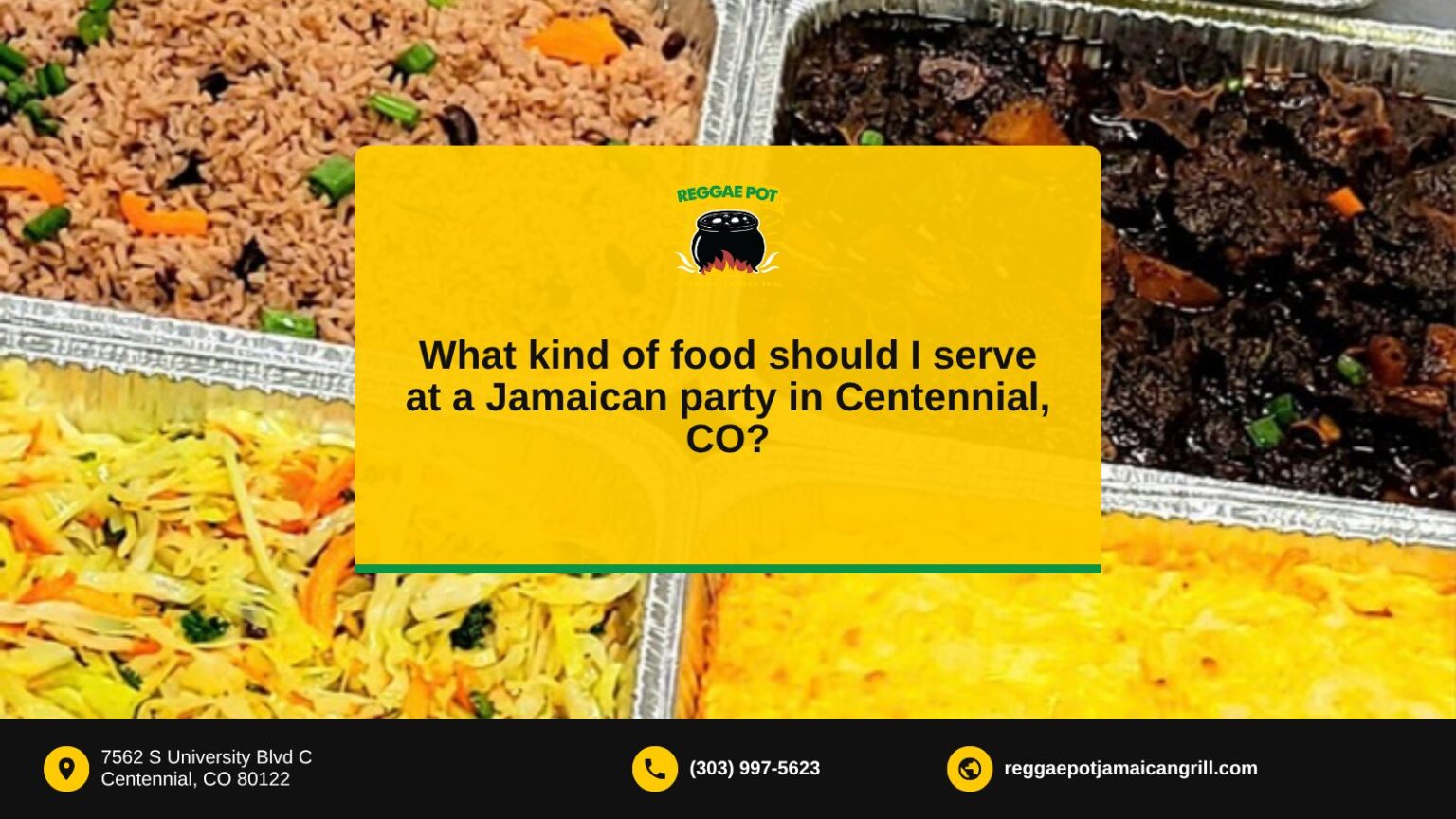
Jamaican food has a way of announcing itself before the plate even lands. You smell the scallion and thyme first, then the heat of Scotch bonnet, then the slow, dark richness of meat that has been marinated properly and cooked with patience. Good Jamaican cooking does not hide. It is bold, fragrant, textured, and deeply tied to memory, season, and place.
What makes it especially compelling for the home table is that it balances comfort with character. These are dishes built to feed families, stretch ingredients wisely, and turn simple staples into something memorable. Rice becomes coconut-scented rice and peas. Chicken becomes jerk, smoky and fiery around the edges. Salt cod, which began as a preserved necessity, becomes a savory breakfast centerpiece with ackee that feels celebratory. Even soup arrives with substance and purpose.
If you want to bring more Jamaican food into your kitchen, the best approach is not to chase novelty. Start with dishes that have lasting appeal and a clear point of view. The best ones are generous, practical, and satisfying enough to become regulars rather than one-time projects.
The character of Jamaican cooking
A lot of people reduce Jamaican food to spice, and that misses the bigger picture. Heat matters, certainly, but flavor in Jamaican cooking comes from layering. Allspice gives warmth and a lightly sweet woodiness. Fresh thyme and scallion build an herbal base. Ginger adds brightness. Garlic deepens everything. Scotch bonnet does more than burn, it brings fruitiness and perfume when used with restraint. Browning, pimento, curry powder, coconut milk, and salted meats all play distinct roles depending on the dish.
There is also a practical intelligence to Jamaican cooking that deserves attention. Many classic dishes were shaped by what could be grown, preserved, or bought affordably. That is one reason so many recipes feel complete. A pot of stew peas carries protein, starch, and aromatics in one vessel. A proper escovitch fish gives you crisp texture, acid, spice, and sweetness in the same bite. Mannish water and Saturday soup are not delicate broths. They are meals with backbone.
At a home table, that matters. These dishes are not just delicious, they are functional. They feed people well, and they hold up beautifully for gatherings, weekends, and leftovers.
Jerk chicken deserves its place, but technique matters
Jerk chicken is often the entry point into Jamaican food, and for good reason. Done well, it is one of the great grilled dishes anywhere. The mistake many cooks make is treating jerk as a sauce rather than a process. Jerk starts with seasoning that penetrates. It needs time. The marinade, whether wet or more paste-like, should include Scotch bonnet, scallion, thyme, allspice, garlic, ginger, and a balance of salt and something sweet, often brown sugar. Some cooks add soy sauce, some add vinegar or lime juice, some swear by a touch of cinnamon or nutmeg. The exact proportions vary by household.
What should not vary is patience. A quick rub before cooking gives you surface flavor. An overnight marinade gives you identity. The second major point is fire. Traditional jerk cooking relies on pimento wood, which is difficult to replicate outside Jamaica, but you can still chase the right profile. Charcoal is better than a gas grill for this. Indirect heat helps. You want smoke and caramelization, not scorched sugar and raw bone joints.
Chicken thighs and leg quarters tend to outperform breast meat because they tolerate longer cooking and absorb seasoning more gracefully. For a family meal, jerk chicken belongs on the table with festival, roasted sweet potatoes, or rice and peas. A little cooling slaw on the side helps if you have been generous with the Scotch bonnet.
Ackee and saltfish is far more nuanced than people expect
Ackee and saltfish is Jamaica’s national dish, but outside the Caribbean it is still misunderstood. Some expect it to behave like scrambled eggs because ackee has a similar appearance when cooked. That visual resemblance creates confusion. Ackee is softer, creamier, and more delicate. It does not dominate. Instead, it carries the seasoning and complements the salt cod.
The dish succeeds or fails on balance. Saltfish needs to be soaked and simmered enough to remove excess salt while retaining its briny depth. Tomato, onion, scallion, thyme, and Scotch bonnet bring aroma and brightness, but the pan should not become watery. Ackee is fragile and should be folded in gently near the end so the segments stay intact. When everything is right, the dish tastes savory, lightly buttery, and aromatic, with little bursts of pepper and herbs.
It is often served at breakfast, but that label can mislead cooks who associate breakfast with speed. This is not rushed food. It is thoughtful and best paired with fried dumplings, boiled green banana, yam, or hard dough bread. At brunch, it stands out because it offers richness without heaviness. On a dinner table, it works best as part of a spread rather than the only centerpiece.
A practical note matters here. Ackee must be sourced safely, canned from reputable producers or properly prepared if fresh. This is one dish where respect for ingredient handling is essential.
Rice and peas is not a side dish you treat casually
Many home cooks think of rice as filler, but rice and peas is one of the dishes that proves how wrong that instinct can be. In Jamaica, the “peas” are usually kidney beans or gungo peas, depending on the meal and the season. The rice cooks with coconut milk, thyme, scallion, garlic, and often a whole Scotch bonnet tucked into the pot. That pepper may remain unbroken, lending perfume without tipping the dish into outright heat.
When rice and peas is good, every grain is seasoned. You should taste the coconut, but it should not feel like dessert. The beans should be tender but intact. The texture should be fluffy, not wet, not gummy, not clumped. It is one of the best examples of a dish that rewards experience over complication.
Rice and peas belongs beside jerk chicken, curried goat, oxtail, brown stew chicken, or fried fish. It can also support plainer proteins because it brings enough personality on its own. At many Sunday dinners, it is the dish that disappears first, which tells you everything you need to know about its status on the table.
Oxtail is luxury by way of patience
There was a time when oxtail was considered a cheaper cut, a pot food ingredient that rewarded long cooking. Those days are mostly gone, at least in many markets, where oxtail prices have climbed sharply. Even so, the dish remains worth making because few braises deliver this kind of payoff.
Jamaican oxtail is seasoned assertively, often browned first, then braised with onion, garlic, thyme, broad beans or butter beans, and enough stock or water to slowly tenderize the meat until it yields. Some cooks use browning sauce for depth and color. Others lean more heavily on fresh aromatics. The best versions arrive glossy and rich, with gravy that clings to rice rather than flooding it.
This is not everyday food in every household, especially given cost, but it is exactly the kind of dish that justifies a family gathering or holiday meal. The trade-off is simple. Oxtail demands time and money. In return, it gives you a dish that feels generous and deeply satisfying, especially with rice and peas or plain white rice to absorb the gravy.
If you are cooking for a mixed group, this is one of the safest gateways into Jamaican food. It has familiar braised-meat appeal while still carrying the unmistakable flavor profile of the cuisine.
Curried goat brings depth that lamb cannot quite replace
Curried goat sits at the center of many celebrations, from weddings to community gatherings, and its popularity is not accidental. Goat has a distinct flavor, leaner and more earthy than beef, with enough character to stand up to Jamaican curry powder, allspice, thyme, and hot pepper. The dish relies on marination, then browning or “burning” the curry in oil before simmering the meat low and slow.
People often ask whether lamb can substitute. It can, technically, and many cooks outside the Caribbean use lamb because it is easier to find. Still, it is not the same. Lamb is fattier and sweeter. Goat has a firmer texture and a cleaner finish when cooked properly. If you can get good goat, use it.
The sauce should be thick enough to coat the meat but loose enough to seep into rice. Potato often appears in the pot, and when it does, it should hold shape rather than dissolve completely. The final dish should taste warm, savory, and layered rather than simply “curried.” That distinction matters. Jamaican curry is not just heat plus turmeric. It is its own seasoning tradition, with a toasted, aromatic profile that deserves attention.
Brown stew chicken is the weeknight champion
Not every dish on a Jamaican table has to be a project. Brown stew chicken is one of the smartest recipes in the cuisine because it delivers depth without requiring a whole afternoon. Chicken is seasoned, often with green seasoning, all-purpose seasoning, garlic, onion, thyme, black pepper, and sometimes a little browning. It is then browned and simmered with bell peppers, onions, tomato, and stock until the sauce turns rich and savory.
The beauty of brown stew chicken is that it can stretch. A few pounds of chicken can feed more people once it is paired with rice, boiled provisions, or steamed vegetables. It also tastes even better after a rest, which makes it ideal for cooks who like to get ahead. On a practical level, this is one of the best dishes for people building confidence with Jamaican food because it teaches core habits: seasoning early, browning carefully, and balancing aromatics in the sauce.
It is also very forgiving. Chicken thighs, drumsticks, or a whole cut-up bird all work. Heat levels can be adjusted without losing the identity of the dish. For many households, this is the recipe that appears most often because it is flavorful enough for Sunday and manageable enough for a weekday.
Escovitch fish brings brightness and texture
Rich braises and stews get a lot of attention, but Jamaican food also excels at contrast. Escovitch fish is a clear example. A whole fish, often snapper when available, is seasoned and fried until the exterior is crisp. It is then topped with a sharp dressing of vinegar, onions, carrots, Scotch bonnet, and sometimes pimento berries. The result is lively and structured, with hot, crunchy, acidic, and savory elements working at once.
This dish earns its place on the table because it cuts through heavier foods. It also gives you something many home menus lack, a seafood main with real personality. The fish should remain crisp where possible, so timing matters. If you drench it too far in advance, the crust softens. If you hold the pickled vegetables back and spoon them over just before serving, you keep more texture.
Escovitch pairs beautifully with bammy, that cassava flatbread with a lightly chewy interior, or with simple rice and sliced avocado. If you are planning a spread for guests, it adds a needed note of freshness beside deeper, slower-cooked dishes.
Patties are portable, practical, and worth making properly
Jamaican patties are often treated as a snack, and they are, but that undersells them. A good patty is a marvel of economy and craft. The pastry should be flaky and sturdy at once, usually tinted yellow with turmeric or curry. The filling, whether beef, chicken, vegetables, or saltfish, should be moist but not wet, boldly seasoned, and compact enough to eat by hand without collapse.
In bakeries and small shops, patties serve a practical role. They are affordable, filling, and fast. At home, they can do more. A tray of patties works for casual dinners, parties, school lunches, or freezer meals. Their versatility is jamaican food one reason they belong on the table. They meet people where they are.
The challenge is pastry. Shortcut crusts can taste fine, but the texture often misses the point. Traditional patty dough uses fat in a way that creates layers and tenderness while still keeping enough structure to hold a spiced filling. If you have ever bitten into a fresh patty and heard that first brittle crack before the steam escapes, you understand why people get protective about standards.
Soup and stew hold the soul of the cuisine
Some of the most satisfying Jamaican dishes do not chase drama at all. They simply nourish with authority. Red peas soup, chicken foot soup, mannish water, and stew peas belong to this category. These are pot dishes that carry history and practicality in equal measure.
Stew peas, despite the name, is closer to a rich bean stew built with red kidney beans, coconut milk, salted meat or pigtail in some versions, and spinners, those small flour dumplings that cook directly in the pot. It is hearty, savory, and surprisingly elegant in its own way because the broth thickens into something almost velvety. A bowl of stew peas is a full meal. It asks for very little alongside it.
Soup culture in Jamaica also reflects a serious authentic Jamaican cuisine understanding of texture. Ground provisions such as yam, green banana, pumpkin, and coco do not just bulk out a soup. They create body, sweetness, and contrast. A well-made Jamaican soup should feel substantial from the spoon up, not thin and decorative.
Dishes that work especially well for a home spread
If you are deciding what to serve for family or friends, a balanced Jamaican menu usually works best when it combines one dish with smoke or char, one with gravy, one starch that can absorb flavor, and one fresh or sharp element to reset the palate. You do not need to build a banquet to capture the cuisine’s strengths.
A reliable combination might look like this:
- Jerk chicken for smoke, spice, and grilled character
- Rice and peas as the anchor
- Escovitch fish or a crisp slaw for brightness
- Fried plantains for sweetness and contrast
- Rum cake or gizzada if you want a proper finish
That kind of table feels generous without becoming overwhelming. It also allows different eaters to find their lane. Some go straight for the heat. Others hover around the sweeter or milder dishes. Jamaican food supports both.
The supporting cast matters more than people realize
Plantains, festival, bammy, callaloo, hard dough bread, and boiled provisions are not afterthoughts. They shape the meal. Fried ripe plantain brings sweetness and softness that can calm spicy mains. Festival, with its lightly sweet fried dough character, is ideal with jerk because it catches juices and offsets heat. Bammy contributes chew and a faint cassava earthiness, especially when pan-fried after a quick soak. Callaloo, sautéed properly with onion, garlic, and pepper, adds a green vegetal note that rounds out heavier plates.
This is one place where judgment matters. Not every meal needs every side. Too many starches can make the plate feel muddy. Too much sweetness can flatten the sharper flavors. A good cook chooses the supporting dishes based on the main event. Jerk likes cooling and sweet companions. Curried goat likes rice and perhaps a simple vegetable. Ackee and saltfish benefits from starches that absorb and frame it rather than compete with it.
A few ingredient choices that change the result
When people tell me their Jamaican food tastes flat, the issue is usually not effort. It is ingredient selection or timing. Dried thyme can help in a pinch, but fresh thyme gives a cleaner, more penetrating aroma. Scotch bonnet has a fruitiness that ordinary hot peppers do not replicate. Allspice, especially freshly ground or used whole where appropriate, is foundational and should not be skipped. Coconut milk should taste like coconut, not sweetened dessert base.
A few details make a noticeable difference:
- Season meat early, especially for jerk, curry, and stew dishes
- Brown with care, because color and flavor build in that stage
- Use enough fresh herbs and scallion, they are not garnish
- Let hot pepper perfume the pot even if you do not want extreme heat
- Taste for salt at the end, especially when using saltfish or salted meats
These are small decisions, but they are often the difference between food that is merely competent and food that feels rooted.
Why these dishes keep earning a place at the table
The best Jamaican food dishes do more than impress. They invite repetition. You cook them once for curiosity, and then you find yourself craving them in specific moods and seasons. Jerk chicken when friends come over and you can stand by the grill. Brown stew chicken when you need dinner to carry over into tomorrow’s lunch. Ackee and saltfish when you want breakfast to feel like an event. Oxtail and curried goat when the occasion deserves extra care. Rice and peas almost anytime.
That staying power matters. Plenty of cuisines offer standout restaurant dishes that feel hard to fold into home life. Jamaican food is different. Its classics are expressive, yes, but they are also deeply domestic. They are built for actual tables, for sharing, for leftovers, for second helpings, for the familiar silence that falls when everyone is too busy eating to speak.
If your kitchen has room for dishes with color, depth, heat, sweetness, smoke, and comfort all living on the same plate, Jamaican food belongs there. Not as a novelty dinner, not as a trend, but as a permanent part of how you feed people well.
Reggae Pot Jamaican Grill
7562 S University Blvd C, Centennial, CO 80122
(303) 997-5623
FAQ About jamaican food
What is the best Jamaican food to try in Centennial?
The best choice depends on your preferences. Reggae Pot Jamaican Grill offers jerk chicken, curry goat, oxtail, and escovitch snapper, along with sides such as rice and peas and fried plantains. Ask the restaurant about current availability and spice levels before ordering.
Is Jamaican food very spicy in Centennial?
Heat varies by dish and preparation. Jerk dishes can be hot, while some stews and sides are milder. Tell the restaurant your preferred heat level and ask which options suit you.
What is typically on a Jamaican menu?
Common choices include jerk chicken, curries, oxtail, fish, patties, rice and peas, and plantains. Reggae Pot also lists ackee and saltfish and vegetable dishes. Menus and availability can change, so confirm your choices when ordering.